Blockchain.info Transaction Signing Flaw
Notice: This page is a freshly imported case study from the original repository. The original content was in a different format, and may not have relevant information for all sections. Please help restructure the content by moving information from the 'About' section to other sections, and add any missing information or sources you can find. If you are new here, please read General Tutorial on Wikis or Anatomy of a Case Study for help getting started.
Notice: This page contains sources which are not attributed to any text. The unattributed sources follow the initial description. Please assist by visiting each source, reviewing the content, and placing that reference next to any text it can be used to support. Feel free to add any information that you come across which isn't present already. Sources which don't contain any relevant information can be removed. Broken links can be replaced with versions from the Internet Archive. See General Tutorial on Wikis, Anatomy of a Case Study, and/or Citing Your Sources Guide for additional information. Thanks for your help!

The Blockchain.info web wallet had an issue where R-values were being reused, which allowed an attacker to generate transactions which could steal funds from wallet users. Between this and another attack affecting key generation on the Android platform, a total of over 59 bitcoins were taken from wallet users. It appears that this exploit only affected 3.5 BTC in two transactions. Blockchain.info provided refunds to affected users.
This is a global/international case not involving a specific country. [1][2][3][4][5][6][7][8][9][10]
About Blockchain.info
"The world’s most popular crypto wallet. Over 80 million wallets created to buy, sell, and earn crypto." "As they say, not your keys, not your crypto. Blockchain.com Private Key Wallets are the most widely-used wallets for self-custody of your crypto. We make it easy for people who are ready to control their private keys to hold them with a Secret Private Key Recovery Phrase." "When it comes to ensuring that your crypto is secure, we think about every last detail so you don’t have to."
"The popular Blockchain website primarily offers market data and serves as the main block chain explorer for the bitcoin currency. However, users can also create web-based wallets to send and receive bitcoins."
"Another bug has been discovered in a bitcoin wallet, leading to the theft of around 50 bitcoins." "The bug lies in the random number generator that the web wallet uses to sign bitcoin transactions. The random numbers are generated in web browsers using the JavaScript programming language. It was discovered on Monday, when a bitcoin user reported that he had 1.8 BTC (around $223) stolen."
"Funds from other addresses in this wallet were not affected. This leads me on thoughts that Blockchain.info or Firefox may have some weakness in random number generator like the vulnerability was recently found in the Android, [sic]" he said.
"Unlike [a similar] Android bug, this flaw only affected the signing of transactions, rather than the creation of private keys, confirmed Blockchain's Ben Reeves (aka Piuk) on the Bitcointalk forum. Firefox was particularly vulnerable to a poor seeding of its random number generator, he added." "[T]his latest flaw affected Blockchain.info's browser client, its Chrome and Firefox extensions, and its Mac OSX app."
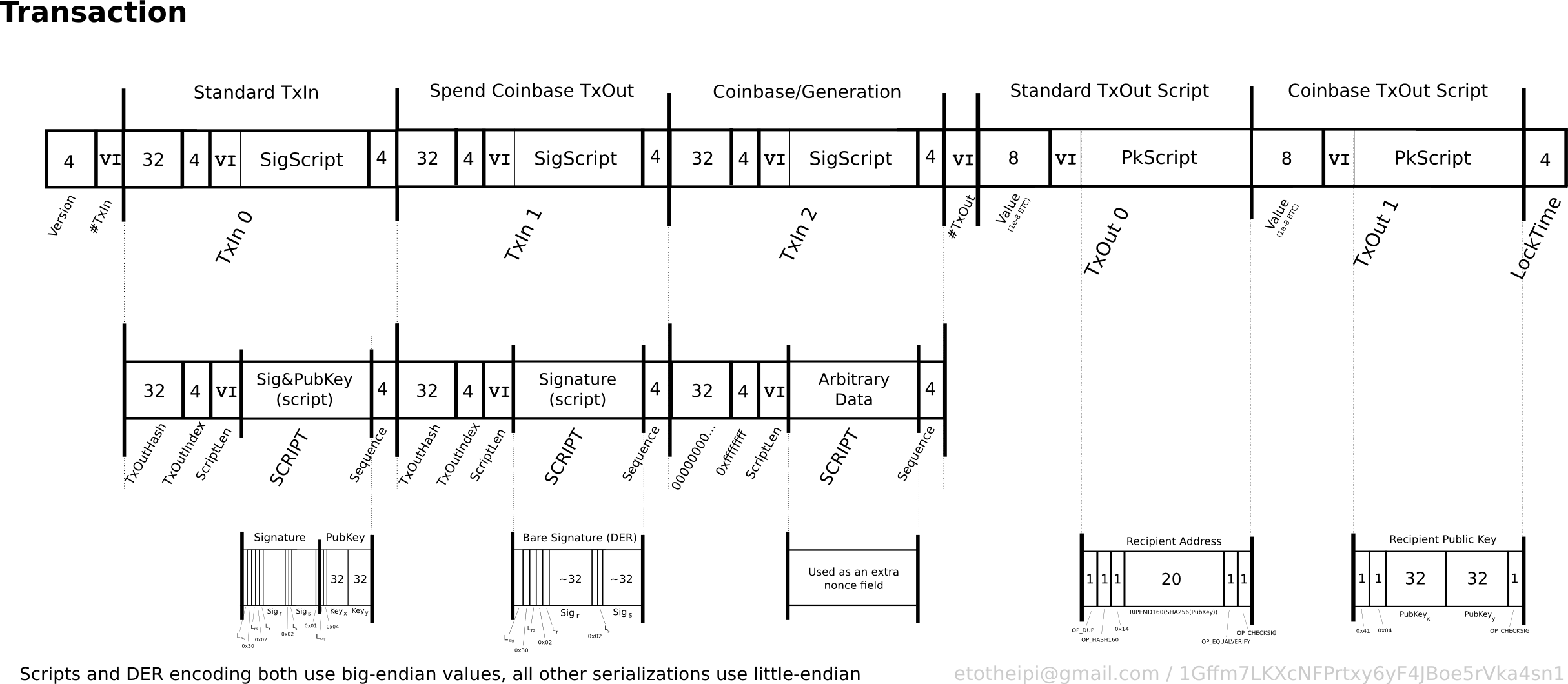
"[T]ransaction [had] repeated signature R values."
"Blockchain.info has now patched the bug. Users must make sure they are using client version numbers [newer than] Chrome extension - v2.85. Firefox extension - v1.97. Mac client - v0.11. Also, those who just use the web wallet (without a plugin) should clear their browser cache before using the Blockchain website."
"Jesse James has informed me of a problem with the rng used by blockchain.info javascript clients being poorly seeded when initialised in a background webworker task. In some browsers this could lead to duplicate R values being used when signing transactions (Firefox is likely to be particularly vulnerable). This issue effects the transaction signing code only, not the generation of private keys."
"Patches have now been deployed, Please ensure you upgrade to the latest version of your Blockchain.info client."
A Blockchain.info representative said that Reeves had issued the (aforementioned) patches within hours of the flaw being detected, and added: "This is a truly amazing turnaround time."
"When asked about the identity of the attacker(s), Reeves confirmed that the attacker is an individual and that all stolen funds have been sent to [one bitcoin address]." "Significantly, funds transferred to that account also include funds taken from Android users earlier this month, suggesting that the same person could be behind the theft of bitcoins using both bugs."
"A list of the addresses affected by the random number generator bugs on both Blockchain and Android were published on the Bitcoin forum, and has also been updated with new finds."
"[T]he company is now offering refunds to users who lost bitcoins due to the flaw."
For those looking to recover lost funds, Reeves told us: "If someone thinks they have had funds stolen, if it is due to this bug it is very likely the coins will have been sent to the above address. If in doubt they can contact help@blockchain.info and I will investigate further. Only a couple of BTC have been refunded so far."
Reeves hinted at a glimmer of hope for lost funds: "It depends on [the attacker's] intentions, but there is still a possibility they might return the funds." But the prevailing message is: don't bank on it.
This is a global/international case not involving a specific country.
The background of the exchange platform, service, or individuals involved, as it would have been seen or understood at the time of the events.
Include:
- Known history of when and how the service was started.
- What problems does the company or service claim to solve?
- What marketing materials were used by the firm or business?
- Audits performed, and excerpts that may have been included.
- Business registration documents shown (fake or legitimate).
- How were people recruited to participate?
- Public warnings and announcements prior to the event.
Don't Include:
- Any wording which directly states or implies that the business is/was illegitimate, or that a vulnerability existed.
- Anything that wasn't reasonably knowable at the time of the event.
There could be more than one section here. If the same platform is involved with multiple incidents, then it can be linked to a main article page.
The Reality
This sections is included if a case involved deception or information that was unknown at the time. Examples include:
- When the service was actually started (if different than the "official story").
- Who actually ran a service and their own personal history.
- How the service was structured behind the scenes. (For example, there was no "trading bot".)
- Details of what audits reported and how vulnerabilities were missed during auditing.
What Happened
The specific events of the loss and how it came about. What actually happened to cause the loss and some of the events leading up to it.
| Date | Event | Description |
|---|---|---|
| August 19th, 2013 2:41:00 PM | Main Event | Expand this into a brief description of what happened and the impact. If multiple lines are necessary, add them here. |
Total Amount Lost
The total amount lost has been estimated at $2,000 USD.
How much was lost and how was it calculated? If there are conflicting reports, which are accurate and where does the discrepancy lie?
Immediate Reactions
How did the various parties involved (firm, platform, management, and/or affected individual(s)) deal with the events? Were services shut down? Were announcements made? Were groups formed?
Ultimate Outcome
What was the end result? Was any investigation done? Were any individuals prosecuted? Was there a lawsuit? Was any tracing done?
Total Amount Recovered
The total amount recovered has been estimated at $2,000 USD.
What funds were recovered? What funds were reimbursed for those affected users?
Ongoing Developments
What parts of this case are still remaining to be concluded?
Prevention Policies
Which policies could have prevented this event from happening?
References
- ↑ Blockchain.com Wallet - Store and Invest in Crypto (Dec 23, 2021)
- ↑ Blockchain Wallet Review: Learn How To Buy Bitcoin On Blockchain (Dec 23, 2021)
- ↑ Blockchain.info issues refunds to bitcoin theft victims - CoinDesk (Mar 19, 2022)
- ↑ Blockchain.info security [FUNDS STOLEN] (Mar 19, 2022)
- ↑ Transaction: 975412ecc21a0ad949deba3f47c6ac41e42fb7bd3f7eeb36cc071f151003d8c9 | Blockchain Explorer (Mar 19, 2022)
- ↑ my wallets were stolen just now, can any one help me? (Mar 19, 2022)
- ↑ https://en.bitcoin.it/w/images/en/e/e1/TxBinaryMap.png (Mar 19, 2022)
- ↑ Blockchain.info security [FUNDS STOLEN] (Mar 19, 2022)
- ↑ Address: 1HKywxiL4JziqXrzLKhmB6a74ma6kxbSDj | Blockchain Explorer (Mar 19, 2022)
- ↑ Blockchain.info security [FUNDS STOLEN] (Mar 19, 2022)